
The Future of Algorithmic Trading in Crypto Markets
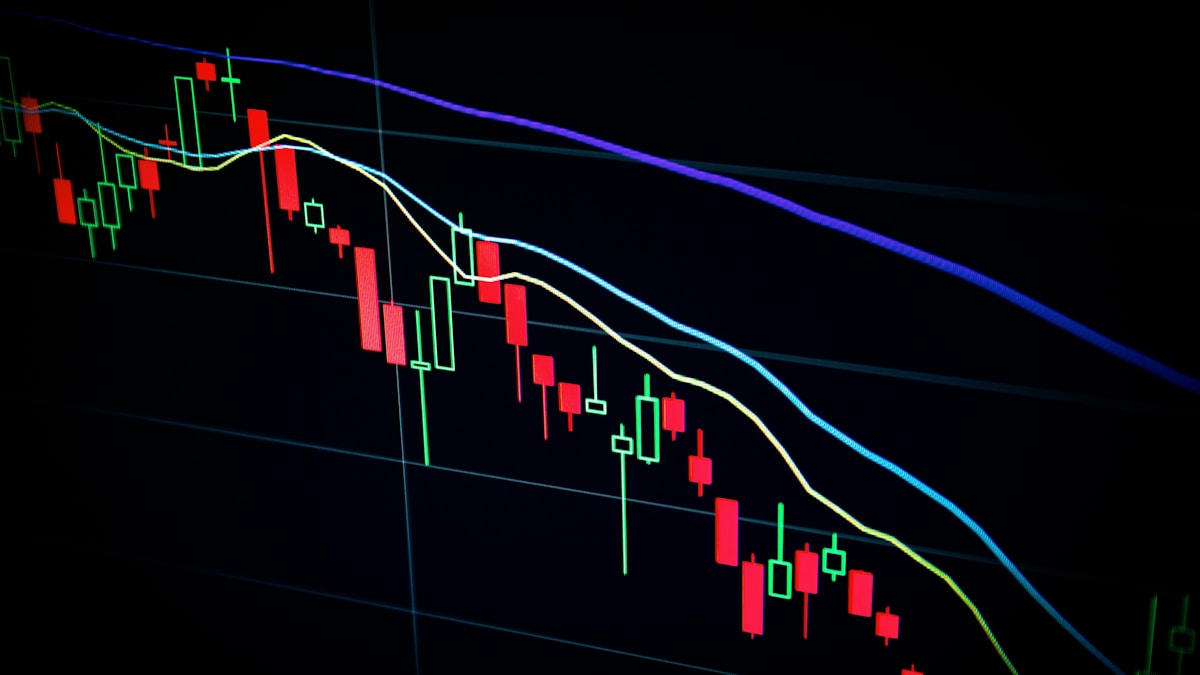
Algorithmic trading in crypto is no longer something only large firms can afford. Today, independent traders, small teams, and developers are building systems that monitor markets, execute trades, and manage risk automatically. What has changed is not just technology, but access. Cloud infrastructure, open tools, and better APIs have made it possible for smaller players to build reliable trading systems. This article explains how algorithmic trading is evolving, what is actually happening behind the scenes, and what traders should realistically expect from automation.
How Crypto Trading Has Changed
In the early days of cryptocurrency, most trading was manual. Traders watched charts, placed orders themselves, and reacted to price movements in real time. That approach still exists, but the market has become faster and more competitive.
Today, many trades are executed by systems. These systems watch price movements, indicators, and market structure continuously. They can react in milliseconds, which is something manual trading simply cannot match.
This shift does not mean automation guarantees profit. What it does mean is that execution has become more precise and consistent. Traders now focus more on designing rules and managing risk rather than clicking buy and sell repeatedly.
What Algorithmic Trading Really Means
A trading algorithm is simply a set of rules. These rules define when to enter a trade, when to exit, how much capital to use, and how to limit losses.
In practice, most real systems are not extremely complex. Many rely on combinations of indicators, trend filters, or volatility measures. The real challenge is not inventing a clever rule, but making sure the system behaves reliably in real market conditions.
Latency, exchange downtime, liquidity gaps, and slippage all affect performance. A strategy that looks good in backtesting can behave very differently in live trading if these factors are ignored.
Where AI Actually Fits In
There is a lot of hype around artificial intelligence in trading, but it is important to stay realistic. Most profitable systems are not fully autonomous AI models making decisions on their own.
AI is often used to assist with analysis, pattern detection, or data processing. It can help identify correlations, classify market regimes, or improve parameter tuning. But execution logic and risk control are still usually rule based.
The real value of AI is speed in processing information, not magic predictions. Traders who understand this tend to use it more effectively.
Why Infrastructure Matters More Than Strategy
Many new traders spend most of their time searching for the perfect strategy. In reality, stability and execution matter just as much as the logic itself.
A system that executes consistently, handles errors properly, and survives unexpected conditions often outperforms a fragile system with a slightly better entry rule.
Logging, monitoring, alerting, and safe shutdown mechanisms are not exciting topics, but they are essential in real deployments.
What the Future Actually Looks Like
Algorithmic trading will continue to grow, but not in the way most marketing articles describe. The biggest changes will likely come from better infrastructure, better tools, and more reliable integrations rather than dramatic breakthroughs.
More traders will build small, specialized systems instead of trying to create one system that does everything. Risk control, capital preservation, and consistency will continue to matter more than short term gains.
For developers and traders entering this space, the best approach is still simple. Start small, test carefully, and improve gradually. The traders who last are usually not the most aggressive, but the most disciplined.
Practical Takeaways
- • Automation improves consistency, not certainty
- • Execution quality often matters more than strategy complexity
- • AI helps analysis, but risk control still comes first
- • Reliable infrastructure is a major advantage
- • Slow, steady improvements outperform rushed systems

Michael Chen
Founder & CEO
Michael has over 15 years of experience in quantitative trading and fintech. Prior to founding our company, he led algorithmic trading teams at major financial institutions.
